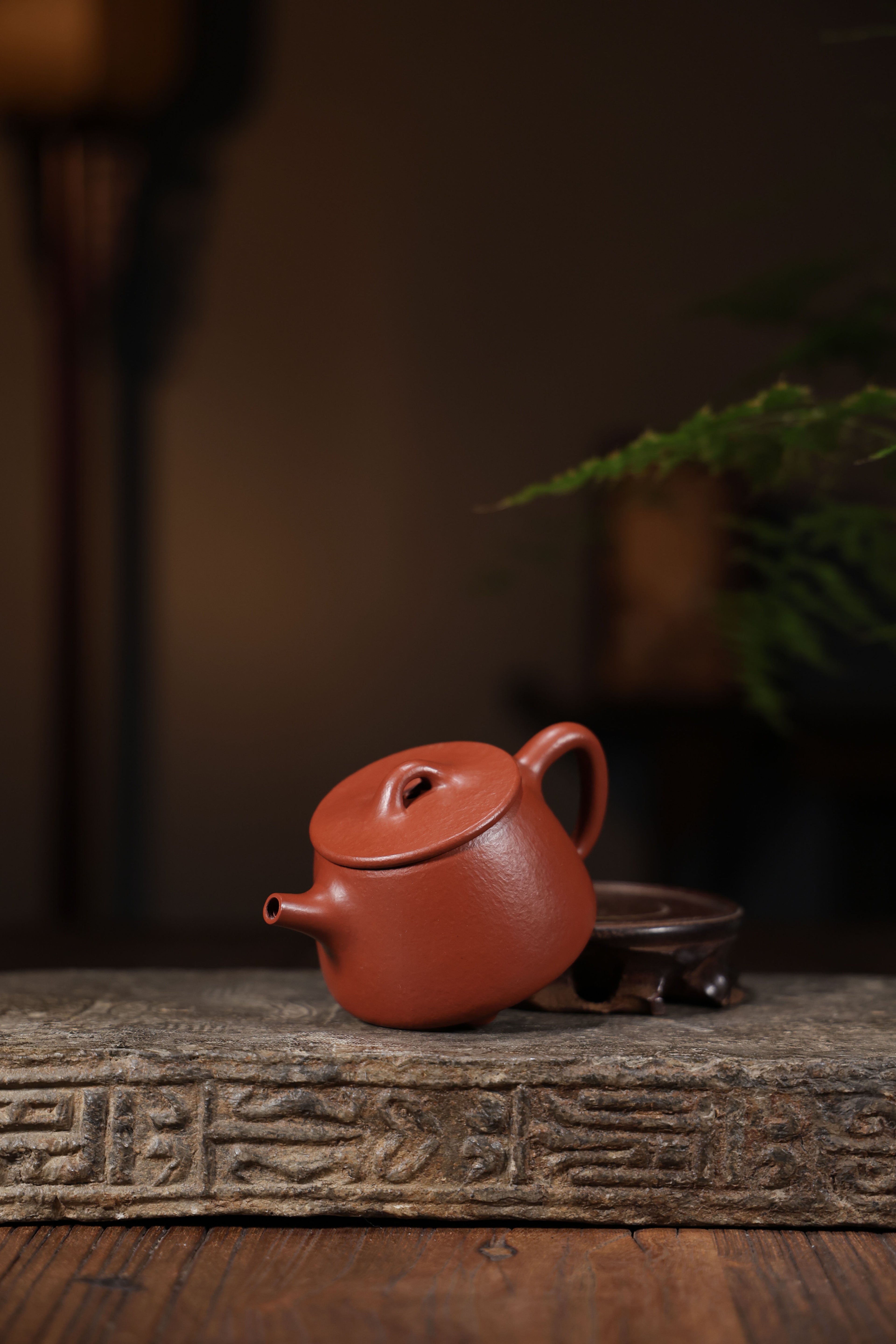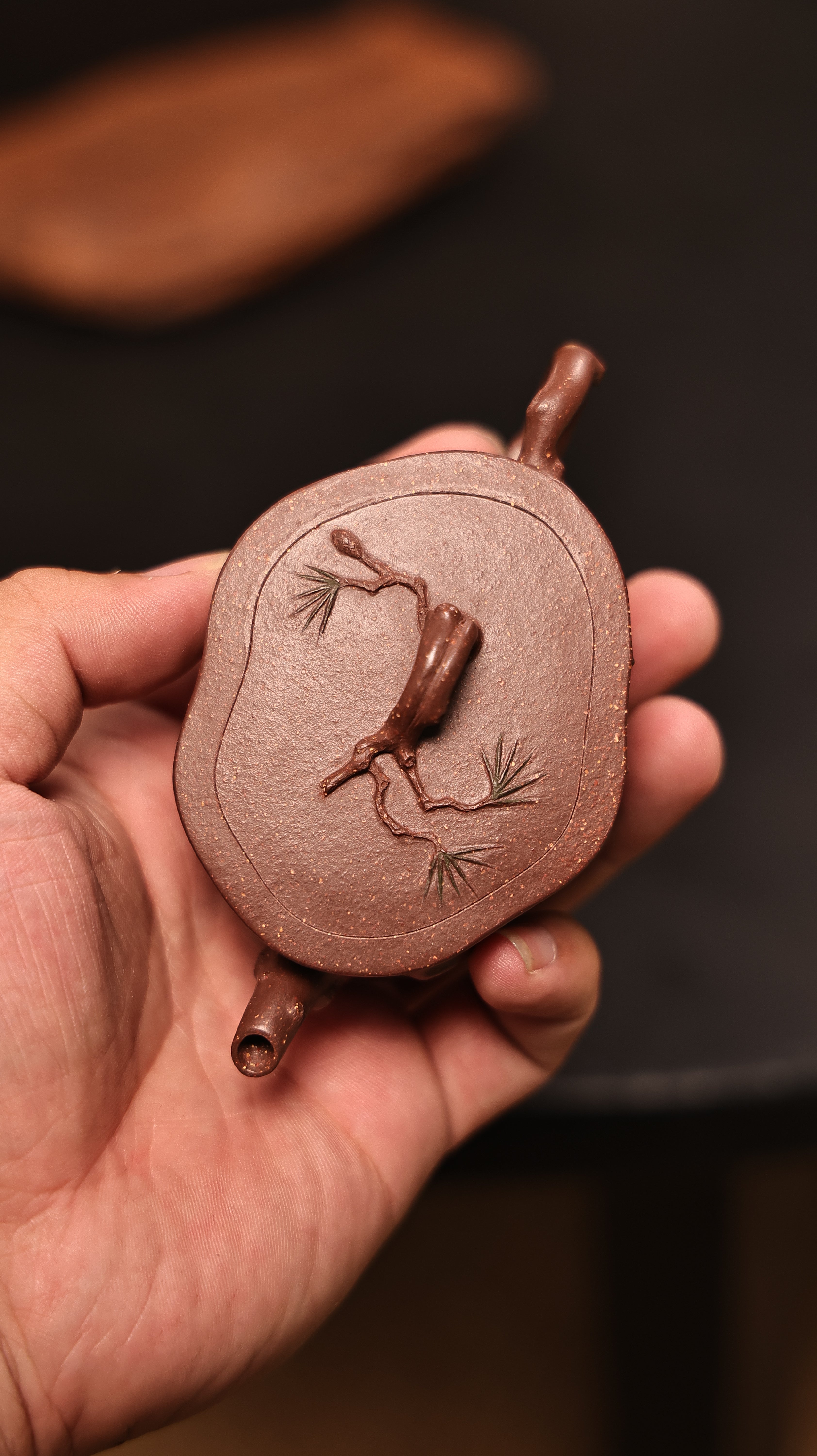
Ages in lovers have long pursued the particular magnetism of Yixing Zisha pitchers. Born in the secluded town of Yixing, China, these pots are fabricated from a singular and recovered purple clay recognized for its extraordinary thermal attributes and capacity to enhance the note of concoctions. More than their useful merit, Zisha teapots manifest a solid traditional legacy, rendering them considerably coveted and a real gem for any zealous teapot collector.
Investigating Yixing Clay Pots
Famous teapots demonstrate a distinctive synthesis of history and expert craftsmanship. Originating in Yixing, Jiangsu Locale of China, their narrative extends to the Ming Dynasty, although indications suggest earlier models. The exclusive purplish clay, called Zisha, found just in the Yixing region, is the crucial component, contributing to the pots' superior heat conservation and the manner they affect the quality of tea. Lineages of potters have perfected techniques—often conveyed through families—including shaping the clay, applying exquisite embellishments, and firing the pots at specific temperatures.- Earlier, Yixing teapots were often embellished with simple designs.
- Later, more advanced carvings and pictorial motifs became prevalent.
- The heat treatment itself is a fundamental element, requiring considerable time of expertise.
Curating Zisha Teapots: Essential Criteria
Beginning a expedition to collect Zisha pots can be profitable, but it’s important to appreciate what to search for. Authenticity is critical; focus on the clay’s natural tint, a understated reddish-brown is usual. Examine the touch; genuine Zisha has a remarkable tactile sensation, often defined as slightly rugged. The form should be balanced and consistent with authentic styles, while marks, if present, require close examination for truthfulness. Don’t shy away to consult with knowledgeable enthusiasts or credible materials – their knowledge is indispensable.
Eastern Pots: Delving into the Legacy of original Pottery
Millennia have seen Yixing Purple Clay teapots occupy a distinguished role in Chinese custom. These exquisitely made pots, sourced primarily from the locality of Yixing, are well-known for their peculiar pigmentation, composition, and their ability to heighten the aroma of brews. Numerous collectors pursue antique Yixing teapots, appreciating them deeply not only for Chinese Teapot their aesthetic loveliness, but also for the records they stand for.
Yixing Zisha Teapots: The Best Sorts and Their Details
Yixing Zisha teapots, originating from the traditional province of Yixing, the land, are well-known for their uncommon clay and first-rate brewing features. Throughout the diverse Zisha types, specific categories that are highly prized include Binzhou Purple Sand. Binzhou, known for its bold purple shade and sleek texture, delivers a moderate flavor. Duan Ni form, recognizable by its rusty color and a bit grainy feel, is believed to enhance a richness. Lastly, Zhuni faction boasts an infrequent crimson tone and can offer a agreeable nuance. Each form provides a distinct experience, affording them exceptionally desirable for tea enthusiasts.
Understanding Personal Purple Clay Container
To realize the essence of your Yixing kettle, knowing the correct means is critical. These clay vessels, celebrated for their openness, will continually incorporate the essence of the tea you cook within them. Begin by flushing the jar thoroughly with tepid water. Then, use only top-grade raw leaf tea, as lower quality options can degrade the vessel’s delicate nuance. Always permit the leaves to expand completely, and remember that with each steeping, your Yixing kettle will become continuously cherished.
Securing Your Priceless Zisha Keepsake
Proper treatment for your Zisha teapot is important to preserving its quality and value. Zisha clay, acclaimed for its unique coloration and grain, requires gentle handling. Never use caustic detergents, as these can injure the covering. After every infusion, rinse the urn with tepid water and allow it to dehumidify completely.
- Refrain from soaking the container for extended sessions.
- Intermittently use a soft wiping cloth to polish the exterior.
- Deliberate applying a thin layer of food-grade vegetable oil inside the container after drying, which can limit staining.
Initial Guide to Yixing Teapots
Yixing vessels, originating from the Yixing zone in Jiangsu Province, located in China, are celebrated for their distinctive traits. Fabricated from the unique purple earth known as Zisha, these kettles are prized by potion enthusiasts worldwide. This summary will simply explain the core elements – covering sorts of Zisha matrix, popular shapes, and vital care suggestions. Understanding the roots of Yixing jars can improve your appreciation for this time-honored example of Far Eastern civilization.
Fabrication of Chinese Clay Pots: Spotlighting Zisha found in Yixing locality
Zisha clay from Yixing City represents the height of Zhongguo earthenware design, exhibiting a rare compound of elemental beauty and valuable artistry. These celebrated pieces are honored for their rich color palettes, often spanning dark purples and brown hues to gentle greys and pale beiges. The particular mineral composition of the area’s Zisha ground imparts a signature texture and creates a agreeable aroma that improves the complete tea experience, making them highly wished-for collectibles and integral components of any serious custom.