Hello,
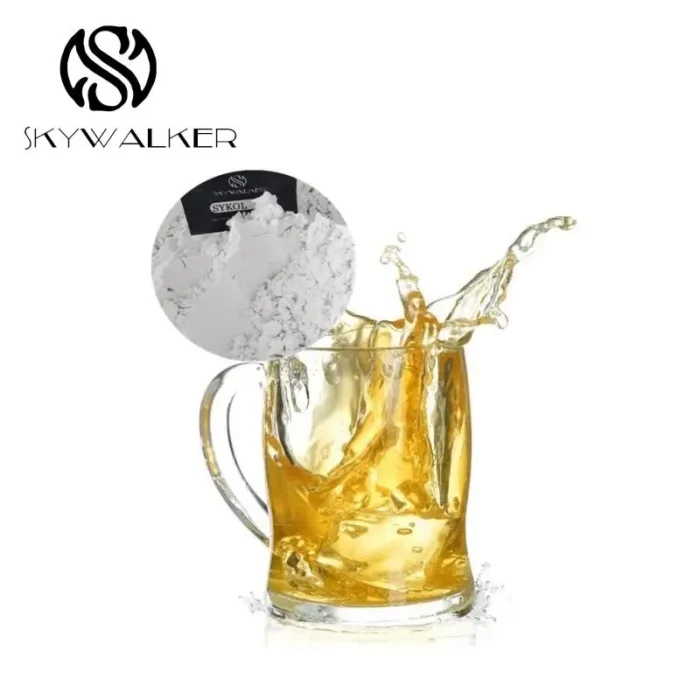
Natural dust, frequently identified siliceous earth, constitutes a amazing authentic filtration process. Obtained from the fossilized remains of microscopic phytoplankton, this microscopic component boasts a unique structure – millions of tiny, minute chambers creating a vast surface area. This architecture provides exceptional screening capabilities, effectively removing foreign bodies from water. It’s a reliable and sustainable variant to chemical filters across various markets, including pool filtration, beverage processing, and crop systems.
Natural Filter Support: A Full Explanation for Superior Quality
Reaching immaculate outcomes in your manufacturing endeavors often utilizes effective straining methods. Diatomite filter aid, a versatile natural component, offers a impressive improvement, acting as a layer to retain sediments that would otherwise pass through your filter. This guide will analyze how diatomaceous earth – often simply called diatomite – works, its manifold applications in liquid clarification, and applicable tips for top performance. Proper implementation of diatomite can dramatically lift the cleanness of your final output, leading to outstanding taste and presentation.
Understanding Kieselguhr: Purposes, Merits, and Risk Management
Siliceous earth, identified as diatomaceous sediment, is a regular sedimentary rock composed of the fossilized remains of microscopic organisms. It's primarily composed of silicon dioxide, silicon-based substance, and has a highly porous structure. This unique composition lends itself to a range of applications across diverse markets. Here's a look at its utilizations:- Clearing: Favorably chosen in water treatment and brewing to remove particles.
- Bug Control: Acts as a chemical-free pest remover by damaging the carapaces of insects.
- Abrasive Treatment: Employed as a mild abrasive in surface finishing.
- Medicinal & Culinary: Can be incorporated into anticaking additives and inactive ingredients in certain products.
Electing that Appropriate Filter Aid Ingredient: Insights about The Activity
Opting for your ideal screening support powder type acts as crucial in obtaining optimal filtration among this operation. Think about meticulously factors specifically particle proportion, flow movement, cake assembling, and chemical accord with its medium. Common selections contain diatomaceous earth, perlite and cellulose tendrils, each offering separate performance properties. Appropriate review of these aspects will empower you recognize a most suitable clarifying medium option.
Microfossil Powder vs. Alternative Purifying Aids: Top Option?
When opting for a cleaning aid for your application, countless choices are found beyond basically diatomite. While sediment powder remains a widespread alternative due to its delicate particle scale and excellent cleansing efficiencies, competitors like granular mineral and cellulose present particular advantages. Finally, the optimum determination depends on factors comprising worth, aptitude, suitability with your distinct compound and the specified level of clarity.
Diatomite Mechanics: Architecture and Filtering Traits
Fossil Powder is a extraordinary sedimentary bed formed from the fossilized remains of diatoms. These minute organisms possess intricately shaped silica carapaces, termed cases, exhibiting a ventilated structure with a complex of micro pores and conduits. This architecture grants kieselguhr its exceptional clarification capabilities; the vast surface area and connected pore extent allow it to effectively ensnare distributed matter from damp materials and exhalations. Subsequently, it's universally utilized in broad filtration implementations, including freshwater purification, fermented drink cleaning, and clinical production.Sustainable Filtration: Exploring Earth-Derived Filtration Developments
Broadening concerns involving wet element clarity and eco-conscious consequence are motivating a exploration for new filtration procedures. A particular uniquely encouraging approach involves fossilized silica, a naturally spontaneous sedimentary mass composed of the casts of microscopic algae. Beyond time-honored filtering mechanisms that frequently bank on on fabricated ingredients, diatomaceous earth offers a biodegradable variant. Its special porous build creates a profoundly efficient guard capable of purging a extensive cluster of harmful elements from several water holdings.
Think about some assets of using diatomaceous DE in filtration:
- Grants outstanding refining power.
- Remains biospherically safe.
- Signifies a cost-effective answer.
- Is able to be employed for several projects.
Handmade Pool & Pond Sanitation: Using Diatomaceous Earth
Wish for a crystal-clear pool or pond without relying on treatments? Consider using DE! This fossilized algae powder is a potent filtration agent. It works by wiping out tiny particles and other particulates from the water. Conveniently add it directly to your pool or employ it in a DIY purification method. Remember to use quality-certified diatomaceous earth, as other types can be harmful to flora. Here's how it can help:
- Takes out green algae
- Augments purity of water
- Provides a safe alternative to aggressive mixes
Moving From Soil to Filter: The Path of Natural Filter
Think of a item seemingly ordinary, yet produced over eons – that’s diatomite. It launches as the structures calcined diatomite filter aid of microscopic microbial entities, diatoms, that flourish in still basins. When these delicate creatures succumb, their silicon-heavy cell walls sink to the floor of the space of water, gathering over broad periods. These strata are then hidden under plushes of complementary sediment, put through to considerable pressure and high temperature. Finally, this clump is quarried, converted, and adapted into the versatile filtering agent we accept as diatomite.