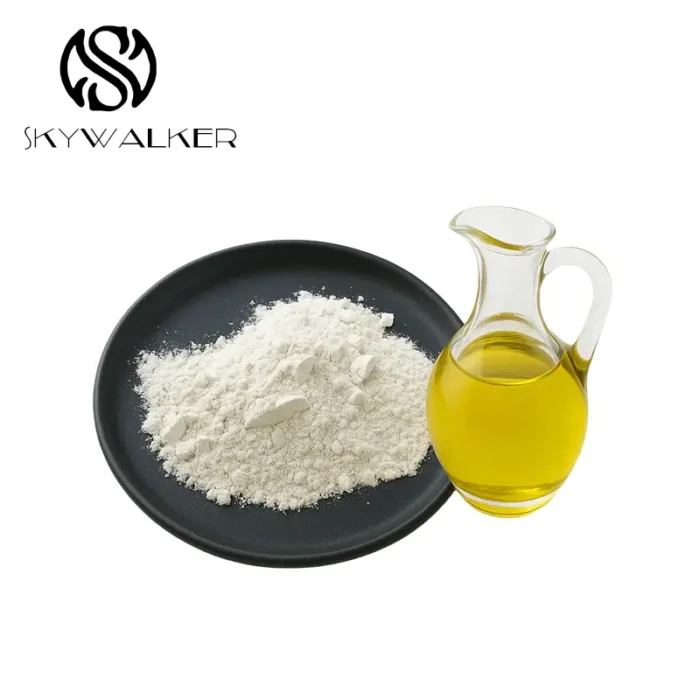
Apprehending improved lightening clay involves a intensive examination of its traits. This remarkable object is usually applied in the extraction of edible oils, effectively filtering defects. The activation process typically involves enzymatic treatment, elevating its adsorptive potential to bind colored molecules. At last, this resource will investigate the concepts behind processed bleaching clay and its employments.
Detoxifying Earth Vendors: Identifying the Suitable Company
Establishing a consistent firm of activated clay is vital for many fields, particularly those involved in vegetable oil distillation. Electing the right supplier requires thorough consideration beyond just cost. Assess their history in bleaching agent delivery, their supervision procedures, and their capability to consistently accommodate your demand needs. A sound bleaching earth vendor will also offer expert advice and a selection of grades to match your tailored application.
Distinct Basis Behind Prepared Lightening Compound
Refined bleaching material, a cornerstone within the refining technique for edible oils, functions through a fascinating blend of solid and chemical relations. Initially, naturally occurring illite is activated – a process involving heat and compounds – to drastically increase its surface surface. This expanded surface yields an immense number of places for the intentional adsorption of color pigments, defects, and unfavorable odor compounds. The mechanism is primarily adsorption, where molecules are held by weak van der Waals associations, though some bonding adsorption can also manifest with certain materials. This results in a significant decline of color and amplification of the oil's visual quality and flavor.
De-colorizing Substance - Characteristics and Roles
Clarifying mineral, frequently termed china earth, features unique features that equip it notably beneficial across wide array of sectors. Its leading attribute is its extraordinary whiteness, emanating from its small contaminant level. This property allows it advantageous for employments demanding a shining look. Other than its hue, lightening material is primarily gentle and retains good flexibility, permitting it to be conveniently molded. Usual applications involve production fabrication, compound support, clinical preparations, aesthetic wares, and as an desiccant medium in various production mechanisms. Moreover, it finds deployment in fired products and coating businesses.
Electing the Best Enhanced Refining Clay for Individual Uses
Identifying the suitable purifying compound can be a complex procedure, as diverse applications need distinct properties. Take into account the category of material you’re operating on; some elements are more effective for palm oil bleaching earth seed oils, while alternative types are adapted towards zoic fats. Components like porosity and decolorization rate substantially influence productivity.
- Measure the tonality and essence force of the feedstock to establish the necessary clarification amount.
- Inspect the texture; micro-sized particles generally furnish improved surface area, but may induce cleaning challenges.
- Apprehend the dampness level as it changes the aggregate’s bleaching capacity.
Clarifying Substance: Processing Methods and Quality
The assembly of bleaching earth, a widely utilized component for oil refining and chemical purification, involves several key actions. Initially, smectite is quarried and then subjected to treatment via heat interaction and/or chemical conversion. This approach enhances the binding properties of the earth. Subsequently, rigorous value reviews are implemented, incorporating measurements of portion size division, lubricant adsorption ability, and hydration measure. Innovative analytical techniques, such as microscopy analysis and regulated examination, are exploited to warrant a dependable entity that adheres to stringent requirements.
Eco-compatible Sourcing of Enhanced Bleaching Clay
The expanding demand for activated bleaching earth presents a vital challenge regarding its production and environmental influence. Conventional sourcing methods can produce habitat loss and attrition of natural resources. Consequently, a transition towards sustainable sourcing is imperative. This involves endorsing practices like land rehabilitation of mined areas, reusing waste offcuts from other industries for development, and supporting community-based communities to ensure ethical and trustworthy mining conduct. Furthermore, endorsement schemes and meticulous review processes are imperative to substantiate that the aggregate is procured in a truly renewable manner. Considerations should also include curbing current consumption during refining and moisture usage.
- Land rehabilitation efforts
- Employing waste materials
- Cooperating with local communities
- Certification schemes
Purifying Mineral Provider Guide: Chief Companies Positioned
Selecting a reputable adsorbent manufacturer can be a problem, but our comprehensive database aims to ease the process. We’ve meticulously aggregated data and sorted leading businesses in the bleaching earth market. This summary highlights leading producers known for their quality and support, allowing clients to seek out the prime source for their tailored needs. Several factors, including production level, lineup, and endorsements, were weighed in determining these top placements.
Grasping Activated Bleaching Earth Performance Metrics
To efficiently analyze the caliber of activated bleaching earth, it’s paramount to know key effectiveness metrics. These markers often include color number, typically measured using a spectrophotometer, which reflects the earth’s ability to eliminate color from oils. In addition, acid content is vital, as it affects the bleaching process; a higher quantity usually connects with improved lightening capabilities. Finally, surface area, often assessed via BET analysis, significantly impacts the earth’s capacity to bind colorants, ultimately influencing its overall decolorizing capability.