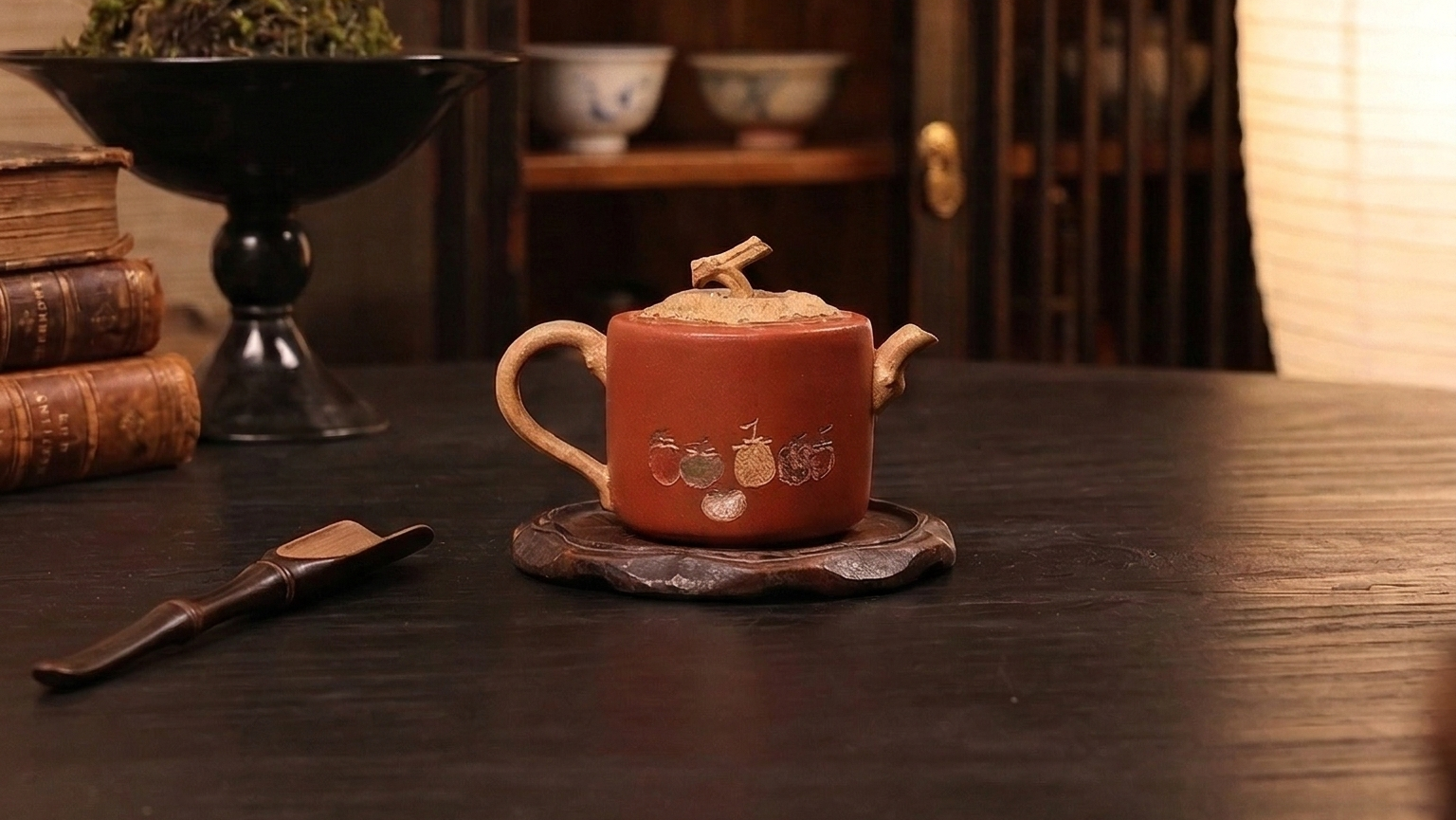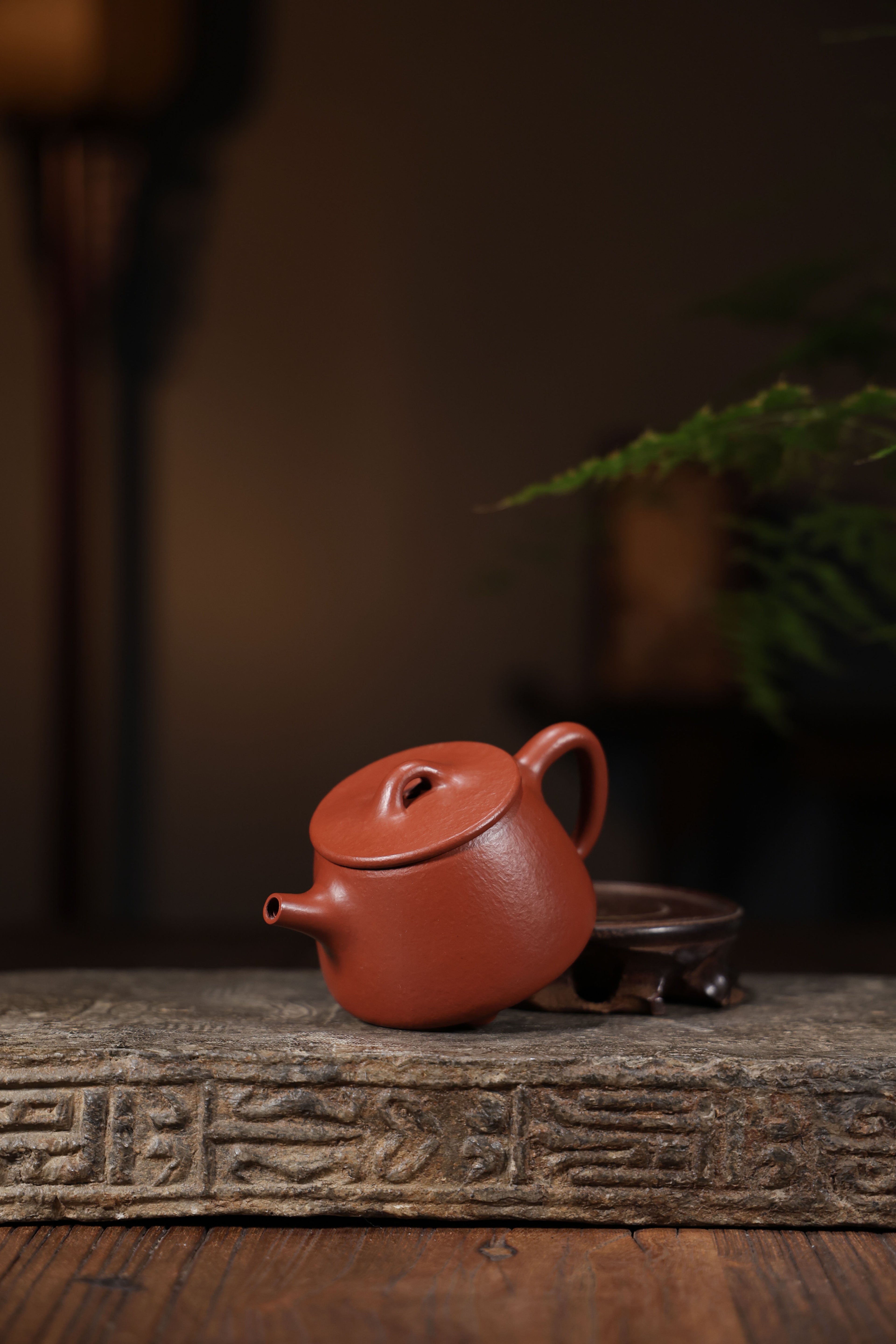
Kicking off such in-depth survey of Eysing Tz'u Sha ceramic kettles introduces special enchanting union featuring know-how and functionality.
Yixing Tzu-sha clay vessels hold exclusive peerless enticement regarding devotees universally. Certain notable ceramic vessels, derived from the particular 宜兴 region adjacent to Jiangsu locale, China, stand as more than just infusion tools; they are recognized as works artistic beauty and historical significance. Distinct finely sorted clay, known under the name Zisha, imparts a delicate flavor to the tea, and the stylized designs, often exemplifying traditional Chinese symbols, contribute to their core value. Attaining a genuine Yixing Zisha teapot represents a fulfilling journey, posing careful scrutiny and an comprehension of the various factors influencing the uniqueness.
Exploring Yixing Brewing Vessels
Ising clay pots boast a profound legacy deeply interwoven with Chinese heritage. Originating in Yixing, Jiangsu division, these ceramic jars are crafted from a unique, porous purple clay found only in that singular location. Their formation began during the Ming session, with master makers refining the skills over ages. Various types persist, including the classic Hexiang (resembling crab shells), Zhuni (red-brown hue), and Duan Ni (stone-studded) – each with distinctive traits. The cost of an Yixing ceramic vessel isn't solely based on its size or ornamentation, but also on the designer’s reputation, the soil's quality, and the brewery’s age and condition. Connoisseurs often Yixing Zisha Teapot seek out older examples, believing they absorb the essence of the tea brewed within them over time, further adding to their eminence.- Hexiang Earthen Pots
- Zhuni Clay Pots
- Duan Ni Clay Pots
Zisha Teapot Mastery: Fabrication & Procedures
Unique production of Zisha teapots represents a climax of Chinese ceramic art. Expert artisans employ classic techniques, often passed down through families, to unlock the full expression of this unique clay. Methods involve meticulous forming by hand, often combined with the looping method, followed by precise firing at incredibly extreme temperatures in wood-fired kilns. Detailing is equally crucial; potters utilize organic clay colors and may incorporate modeling work to depict intricate scenes or patterns, demonstrating a profound knowledge of the material’s features and presence. The resulting teapot isn't merely a vessel for tea, but a testament to a significant cultural lineage.
Classical Vessels: The Summary to Yihsing 紫砂
Investigating the world of Traditional teapots generally starts with Yixing Zisha. These exceptional clay earthenware are formed from a exclusive type of clay located only in the Yixing region of Jiangsu Province province. Acclaimed for its singular reddish-purple hue and premium qualities, Zisha clay provides a nuanced flavor to the tisane and progresses with age, shaping into a cherished heirloom. Collecting Yixing Zisha vessels is more than just having a stunning object; it’s a appreciation of culture and expertise.
Examining unique Pottery: Authentic Quality & Progression
Delving into the world of Yixing Zisha pottery can be both rewarding, but requires a keen eye. Authenticity is paramount; many reproductions manifest, generally artfully assembled. Becoming knowledgeable about old-fashioned cooking procedures, exclusive soil features, and the hallmarks of renowned artisans is wholly essential. What’s more, knowing the intricacies of the market trend – influenced by determinants such as classical consequence and the quality of the item – is paramount to advantageous procurement.
- Examining tempering lineage.
- Requesting authorities for authentication.
- Judging commerce fluctuations.
Unique Discipline of Making with a Stoneware Container
Such exclusive allure of a Zisha tool lies not just in its stunning appearance, but also in its profound impact on the bouquet of the infusion. These antique clay ceramic pots, sourced from certain regions of China, possess a intrinsic porosity that mildly interacts with the essence and leaves, imbuing the cup with a subtle character. Mastering the approach requires a steadfast approach, understanding how the soil responds to varying degrees and herbal types, ultimately leading to a sincerely rewarding sipping ceremony.
Safeguarding Exclusive Gem
Proper care of your Yixing container is essential to protecting its lastingness. These exceptional teapots, crafted from exclusive Yixing clay, form a gradation over decades that magnifies their worth. Systematically rinse the inside with pure water, avoiding soap, and never use coarse scrubbing tools. Supplementary gentle polishing with a smooth cloth can help in clearing patches. Allow your pot to wholly dry subsequent each brewing
Interpreting Zisha: How The Teapots Represent Rare
The prominent appeal of Yixing teapots lies within the characteristic properties of Ceramic clay, located solely near Yixing, the Yixing district. This favorable clay, a type of ferruginous clay , displays a remarkable combination of minerals that, through use, assimilate the bouquet of the liquids it holds. This creates a exclusive scent for each ceramic pot, making it a worth far more than its first price and helping to their esteemed status among specialists.
Finding the Ideal Eastern Brewing Pot: A Terracotta Reference
Venturing into the world of Yixing clay teapots can feel difficult, but understanding the cores is paramount to obtaining a sought-after piece. This category of clay, sourced primarily from the area around Yixing, the Jiangsu area, is well-regarded for its uncommon permeability and ability to augment the essence of the beverage over use. Evaluate the design, the shade, and the appearance; a authentic Zisha teapot is more than just a container; it's a beautiful creation and a symbol of Chinese culture. Analyze the symbol of the creator for clues to its source and potential price.