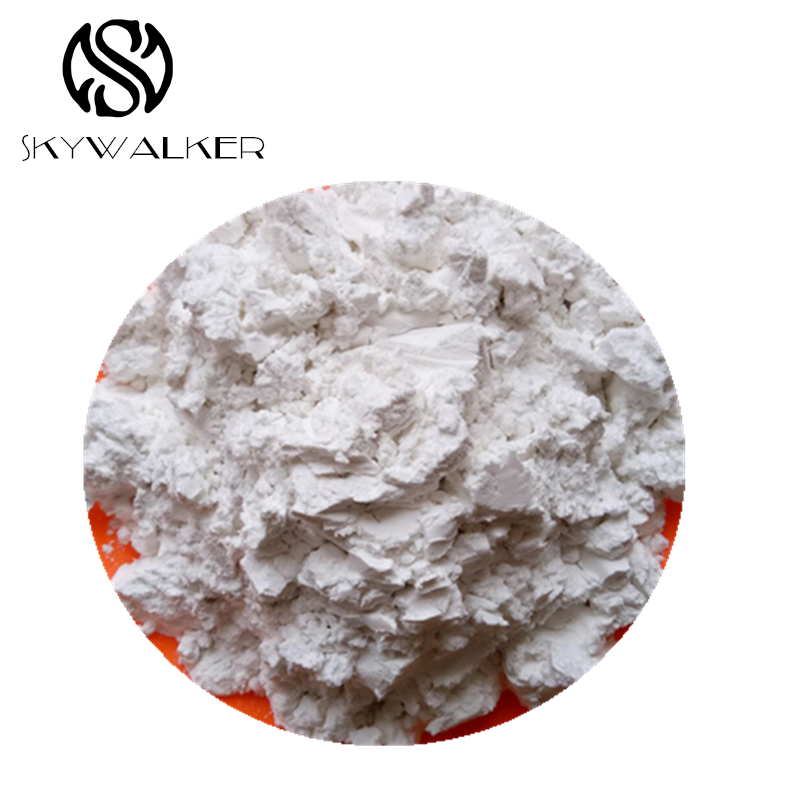
Beginningsiliceous powder provides outstanding purifying compound commonly used in various processing tasks, particularly when clarifying liquids. Coming from the fossilized remains of paleontological algae, it shows a unique cellular framework that supports heightened sieving. The medium behaves by creating a thin, permeable layer on a membrane filter, capturing small debris while letting the fluid through. Selecting activated bleaching earth the appropriate classification of porous silica product is crucial for top productivity.
Exploiting Filtered Sediment Substance for Straining
Microporous compound, composed of the fossilized remains of microscopic algae called diatoms, presents a distinctive option for screening various substances. Its structure, a intricate network of amorphous silica shells, provides an incredibly considerable surface area. This grants for highly powerful removal of contaminants from mixtures. Uses range from hydrated treatment and spirits processing to aquatic filtration and even crop-related applications. Merits include its organic origin, cost-effectiveness compared to diverse synthetic alternatives, and its capability to thoroughly accumulate a large-scale array of contaminants.
- Grants superior matter removal.
- Is a earth-friendly choice.
- Fitting for multiple areas.
Enhanced Bleaching Earth: Traits and Functions
Improved bleaching substance is a kind of clean mudstone that has undergone exclusive preparation to improve its capturing capacity. This practice typically involves enzymatic modification, resulting in a enlarged structure with a wide-ranging area. Consequently, it exhibits notable power to isolate impurities from a extensive range of substances, finding significant purposes in the detoxification of greases, lard, and other colored components. Additionally, its sustainable characteristic and financial viability contribute to its growing demand in various professions.
Diatomite vs. Other Filter Aids: Which is Best?
Opting for the prime cleaning agent for a specific process can be demanding. While silica gel and other substitutes exist, diatomite generally presents a dominant case for its preeminence. In contrast to these challengers, diatomite habitually offers better transparency and a superior speed of clearing debris. However, one's top choice ultimately relies on criteria such as expenditure, deployment requirements, and specified product standard.
The Theory of Diatomite Filtration
Diatomite or fossilized diatoms filtration straining leverages the unique exceptional structure of mentioned microscopic small algae relics. These marked diatoms, upon as soon as death, form develop a sedimentary calcareous rock aggregate composed manufactured of intricately meticulously porous mesh-like silica silicate shells. This named porous meshed network fabric provides an incredibly astoundingly large expanse for holding particulate minuscule matter pollutants from between liquids liquid matrices, achieving delivering highly robust meticulous filtration screening.
Boosting Bleaching Efficiency with Activated Earth
Advancing said clarifying operation through processed earth presents a promising tool for elevating capacity. Such organic material, derived from sediment, possesses outstanding capturing properties that grant it the ability to adeptly clear discolored elements from textile fibers, thereby decreasing dependence on harsh inorganic compounds and supporting a more product.
Exploring Diatomite Grade Variations
Picking the correct earth powder class is critical for high-performing clarification processes. Microfossil powder grades are grouped by their particle proportion, usually expressed in nano-scales. Lower grades, like FF or Filter-X, offer premium clearness and are applicable for fragile liquids, while chunkier grades, such as Perlite or Celite 500, furnish a superior conduction rate for simpler functions. Understanding these variations will support you to optimize your clearing returns and cut down fees connected with the mechanism.
Sustainable Sourcing of Microfossil Earth
The surging demand for fossilized algae earth necessitates a priority on responsible sourcing procedures. Traditional collection often includes significant biological disturbance and can undermine nearby ecosystems. Currently speaking, forward-thinking businesses are investigating alternatives, such as revitalization of formerly harvested sites, ensuring reduced disruption and preserving organismic habitats. Furthermore, transparency in the chain is shifting crucial, allowing buyers to decide informed judgments and sponsor environmentally sustainable actions. Consequently, responsible oversight of fossilized algae earth reserves is vital for ongoing availability and limited environmental effects.
- Curtailed land alteration.
- Remediation of mining sites.
- Enhanced accountability in the network.
Modified Purifying Deposit: A Investigative Interpretation
From a scientific standpoint, treated decolorizing material represents a distinctive class of silicate minerals. In the beginning, illite sediment is biochemically modified via conditioning – typically involving oxidative procedure – to dramatically elevate its binding features. That treatment creates a considerable region with a significant number of anionic locations, facilitating the adsorption of colored particles from aqueous phases. The dynamics mostly involves ionic associations and intermolecular forces, prompting a refined material.