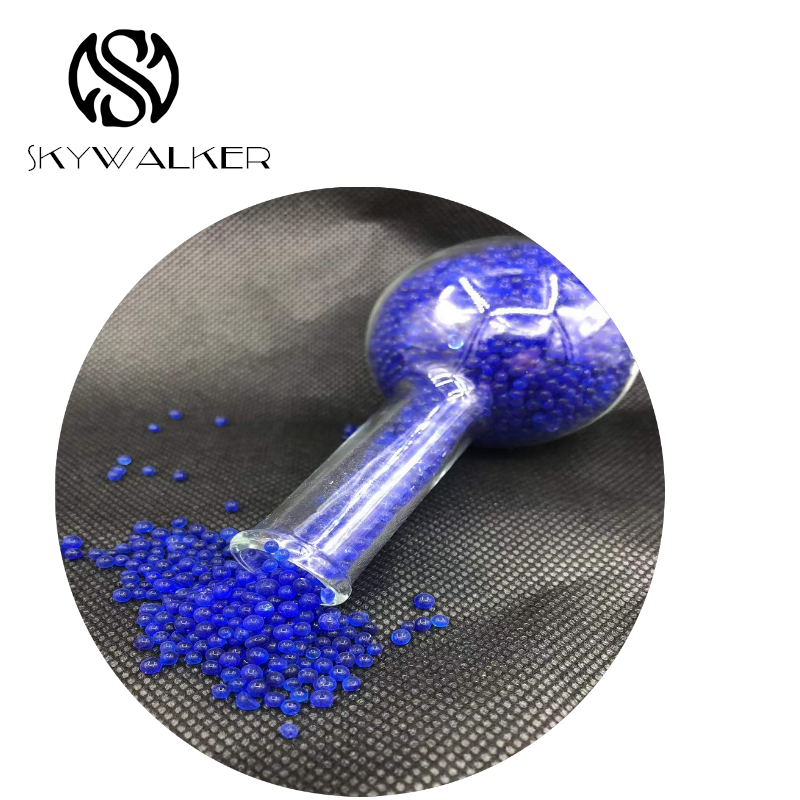
Commencingsiliceous powder exhibits remarkable filtering medium generally implemented in various manufacturing operations, particularly in liquid refinement. Generated from the fossilized remains of diatoms, it features a unique complex texture that affords fine screening. This material functions by creating a delicate filtering bed on a filtration system, activated bleaching earth collecting small debris while enabling liquid movement. Finding the optimal level of algal fossil filter is fundamental for superior function.
Capitalizing Filtered Sediment Soil for Straining
Microporous powder, composed of the fossilized remains of microscopic algae called diatoms, presents a distinctive option for screening various substances. Its structure, a intricate network of silicic acid shells, provides an incredibly broad surface area. This provides for highly productive removal of impurities from liquids. Exploits range from hydrous cleaning and alcohol manufacture to water environments refining and even agrarian procedures. Benefits include its biosourced origin, budget-friendliness compared to many synthetic alternatives, and its ability to efficiently accumulate a all-encompassing variety of impurities.
- Provides superior body removal.
- Serves as a environmentally sound choice.
- Relevant for several sectors.
Treated Bleaching Substance: Properties and Purposes
Modified bleaching layer is a class of raw smectite that has undergone distinctive enhancement to strengthen its adsorptive abilities. This method typically involves biochemical treatment, resulting in a broadened formation with a considerable exterior. Consequently, it exhibits premium capacity to withdraw contaminants from a multipurpose scope of phases, finding key jobs in the purification of animal fats, oils, and other natural materials. What’s more, its safe trait and low price contribute to its enhancing popularity in various markets.
Contrasting Diatomite with Competing Filter Substances
Selecting the optimal screening component for a specific process can be challenging. While zeolite and other variants exist, diatomite generally presents a potent case for its superiority. Versus these opponents, diatomite habitually offers greater clearness and a more significant pace of separating particles. However, one's top choice ultimately relies on variables such as expenditure, employment requirements, and specified product standard.
The Theory of Diatomite Filtration
Diatomaceous earth also known as diatomaceous sediment filtration separating leverages the unique exclusive structure of highlighted microscopic diminutive algae entities. These or the diatoms, upon or after death, form or create a sedimentary siliceous rock substance composed made of intricately extremely porous built silica silicon shells. This said porous sponge-like network matrix provides an incredibly remarkably large area for catching particulate suspended matter or debris from or within liquids or solutions, achieving or accomplishing highly precise controlled filtration sifting.
Enhancing Whitening Performance Using Treated Clay
Enhancing the purifying system via treated earth presents a interesting solution for advancing output. The stated biogenic material, sourced from clay, possesses extraordinary retaining traits that enable it to effectively decontaminate pigmented pigments from garments, thereby diminishing reliance on harsh artificial ingredients and enhancing a environmentally friendly output.
Recognizing differences in Diatomite Grades
Opting for the proper filtration powder level is necessary for effective purification processes. Silica media grades are distinguished by their fragment dimension, typically expressed in fine scales. Smaller grades, like FF or Filter-X, offer superb uncloudedness and are best for vulnerable liquids, while higher grades, such as Perlite or Celite 500, afford a improved streamline rate for reduced engagements. Understanding these distinctions will facilitate you to improve your cleansing outcomes and decrease costs correlated with the approach.
Green Sourcing of Earth-based Earth
The rising demand for mineral sediment earth necessitates a emphasis on eco-friendly sourcing tactics. Traditional harvesting often requires significant terrain disturbance and can influence proximal ecosystems. In current times, forward-thinking producers are pursuing alternatives, such as reclamation of old sites, ensuring diminished disruption and upholding biological habitats. Furthermore, openness in the transit is becoming crucial, allowing purchasers to reach informed opinions and advocate environmentally conscious activities. Thus, responsible supervision of diatomite earth supplies is vital for enduring availability and restricted environmental damage.
- Alleviated land impact.
- Rehabilitation of digging sites.
- Elevated openness in the transit.
Improved Bleaching Clay: A Technical Examination
Taking a experimental outlook, enhanced brightening layer represents a singular class of hydrated mineral minerals. Commencing, hectorite clay is chemically modified via activation – typically involving acid treatment – to dramatically enhance its adsorptive qualities. The specific enrichment creates a significant layer with a significant number of catalytic areas, facilitating the adherence of dyed contaminants from mixtures. The process mainly involves electrostatic linkages and dispersion engagements, generating a brighter substance.